Greenhouse-grown vegetables, fruits, and herbs are vulnerable to a variety of bacterial and fungal diseases, making preventative disease management essential for protecting crop quality and profitability. By combining sanitation, environmental controls, and broad-spectrum systemic protection with Phyton 35, growers can reduce disease pressure from propagation through harvest and deliver healthier, market-ready edible crops.
Using a systemic bactericide and fungicide from propagation to shipment can help protect your plants and your profits for a successful growing season. Let’s take a closer look at disease control for edible plants.
Understanding Common Diseases for Edible Plants
Before developing a disease management program for your vegetable, fruit, and herb plants, you need to know what you’re up against. Warm temperatures, frequent irrigation, dense plant spacing, and high humidity all create ideal conditions for bacterial and fungal diseases.
If you leave disease unchecked, the following pathogens can spread quickly through your entire crop, affecting market quality and profit.
| Disease | Favorable Conditions | Common Symptoms | Crops Affected | Why It Matters |
| Botrytis (gray mold) | Cool temperatures, high humidity, prolonged leaf wetness, poor airflow | Gray, fuzzy mold on leaves, flowers, stems, and fruit; blossom blight; fruit rot | Tomatoes, strawberries, peppers, lettuce, herbs, cucumbers | Botrytis spreads rapidly in humid greenhouses and is especially problematic during propagation, flowering, and shipment. Even minor infections can make produce unmarketable. |
| Powdery mildew | Moderate temperatures with high humidity; does not require free water | White, powdery fungal growth on leaves and stems; yellowing; reduced vigor | Cucumbers, squash, peppers, herbs, tomatoes | Powdery mildew reduces photosynthesis, weakens plants, and can significantly lower yield and overall crop quality if left untreated. |
| Downy mildew | Cool, wet conditions with extended periods of leaf moisture | Yellow angular leaf spots, gray or purple spores on leaf undersides, leaf collapse | Basil, cucumbers, lettuce, spinach, cole crops | Downy mildew can spread rapidly through greenhouses during cool, humid weather, causing extensive defoliation and crop loss. |
| Bacterial leaf spot | Warm temperatures, overhead irrigation, high humidity, splashing water | Small, water-soaked lesions that enlarge into dark brown or black spots, often surrounded by yellow halos | Tomatoes, peppers, leafy greens | Bacteria spread easily through irrigation water, contaminated tools, and handling. Severe infections reduce plant vigor and blemish fruit, making crops less marketable. |
| Root rot (Pythium, Phytophthora) | Waterlogged growing media, poor drainage, excessive irrigation | Wilting despite adequate moisture, stunted growth, brown or black roots, plant collapse | Herbs, lettuce, tomatoes, peppers, cucumbers | Root diseases attack below the soil surface, often going unnoticed until plants begin to decline. Once established, they can spread quickly through recirculating irrigation systems. |
Why Early Disease Control Matters
Most greenhouse pathogens are opportunistic, taking advantage of stressed plants and favorable environmental conditions. Edible crops are often grown in close proximity with frequent irrigation. A single, infected plant can become a source of widespread outbreak. This is why prevention is more effective than reactive disease control.
A proactive disease management program combines sanitation, environmental controls, irrigation management, and applications of a broad-spectrum, systemic bactericide and fungicide like Phyton 35. A comprehensive program protects your veggies, fruits, and herbs throughout the production cycle to reduce losses and deliver healthier, higher-quality crops to retailers and end consumers.
5 Steps of Effective Disease Control for Edible Plants
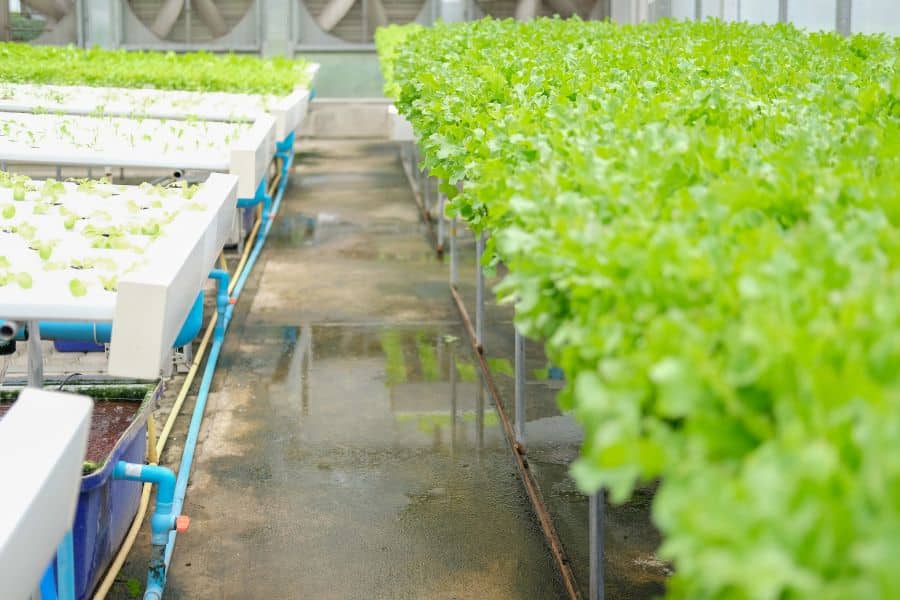
The following five steps safeguard your edible plants and prevent bacterial and fungal diseases from spreading through your product.
1. Observe and Monitor Regularly
Inspect your plants frequently for early signs of disease, from propagation to harvest to shipment.
2. Maintain Optimal Growing Conditions
Most bacterial and fungal diseases thrive in humid, stagnant conditions. Control humidity and ensure good air circulation to deter diseases from establishing and spreading through your plants.
3. Sanitize Tools and Surfaces Regularly
We know you’re busy, but avoid the temptation to allow your tools and surfaces to gather dirt and grime. Regularly sanitize your equipment and greenhouse surfaces to prevent the spread of bacteria, fungi, and other pathogens.
4. Grow Disease-Resistant Varieties
If you’re currently struggling to keep your plants healthy, consider switching to disease-resistant varieties next year. Nearly every edible plant in your greenhouse has a disease-resistant variety.
5. Use a Systemic Fungicide and Bactericide
Disease control and prevention requires a systemic approach that protects your plants from root to fruit and across the entire plant. Phyton 35 is a systemic bactericide and fungicide that is safe for food crops.
A Closer Look at Phyton 35
Phyton 35 stands out from alternatives for both preventative and curative measures to keep your edible plants healthy and ready for market. Here’s what you can expect when you apply Phyton 35 on your vegetable, fruit, and herb plants.
- Systemic Protection: Phyton 35 absorbs quickly and moves throughout the plant, from root to fruit, providing 21 days of protection from the inside out.
- Broad–Spectrum Control: Phyton 35 is effective against the most common and pernicious edible plant diseases, including botrytis, powdery mildew, bacterial leaf spot, and root rot.
- Residue-Free Application:Since it is a solution, not a suspension, Phyton 35 will not clog your spray nozzles and will not leave visible residue on your plants that will deter buyers.
- Versatility: Use Phyton 35 on edible plants from propagation to harvest.
Integrating Phyton 35 into your disease management program can protect and improve plant health to ensure a bountiful, disease-free crop ready for retail.
Protecting your edible plants from disease delivers quality for your customers and ensures the success of your business. With proactive measures with effective solutions like Phyton 35, you can protect your plants during the busy growing season. For more information about Phyton 35 and other greenhouse sanitation solutions, visit phytoncorp.com.
Disease Control for Vegetables FAQs
What are the most common diseases affecting greenhouse-grown edible crops?
Common diseases include Botrytis (gray mold), powdery mildew, downy mildew, bacterial leaf spot, and root rot caused by pathogens such as Pythium and Phytophthora. These diseases can spread rapidly in humid greenhouse conditions if not managed proactively.
Why is preventative disease control important for vegetables, fruits, and herbs?
Many bacterial and fungal pathogens spread quickly through irrigation water, high humidity, and close plant spacing. Preventing disease before symptoms appear helps protect crop quality, reduce production losses, and avoid costly outbreaks later in the growing cycle.
How does Phyton 35 protect edible plants from disease?
Phyton 35 is a broad-spectrum, systemic bactericide and fungicide that is absorbed into the plant and moves throughout its vascular system, providing internal protection against a wide range of bacterial and fungal pathogens for up to 21 days.
What are the best practices for reducing disease pressure in greenhouse edible crops?
Successful disease management includes maintaining clean growing areas and equipment, managing humidity and airflow, using proper irrigation practices, selecting disease-resistant varieties when available, and incorporating preventative systemic disease control products like Phyton 35 into your crop protection program.