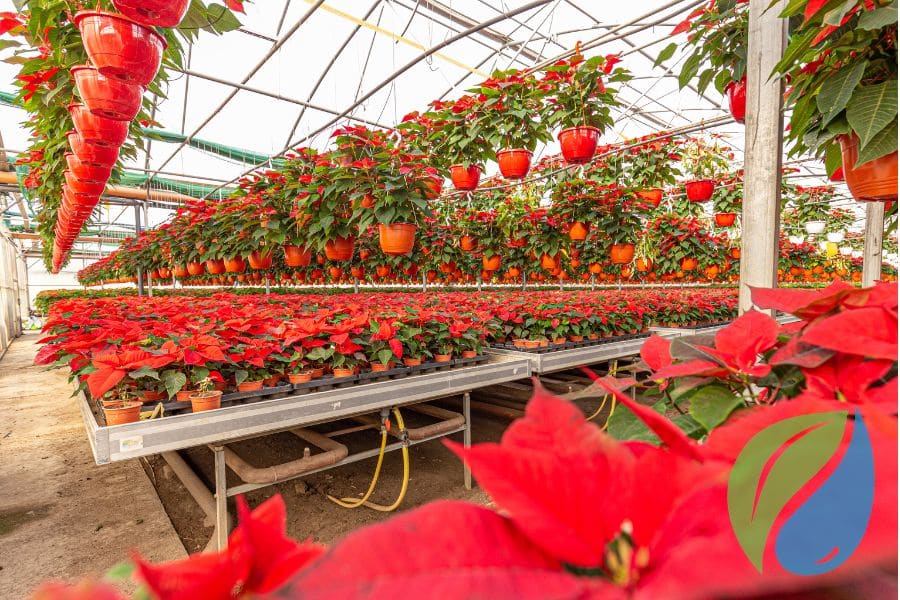
Disease control in bedding plants can be tricky due to high humidity, frequent irrigation, and close plant contact. Phyton 35 provides broad-spectrum, systemic disease control that protects bedding plants from propagation through shipment, helping growers maintain healthier, more marketable crops.
Bedding plants are the foundation of spring and seasonal color programs for garden centers, landscapers, and retail growers. Petunias, impatiens, begonias, marigolds, vinca, calibrachoa, and other annuals require careful disease management from propagation through shipment.
Why the extra attention for bedding plants? These annuals are often grown in high-density environments where leaves, stems, and blooms are in constant close contact. While this maximizes production space, it also increases disease exposure. Close contact can allow bacterial and fungal diseases to spread rapidly through a crop.
Preventive disease control can help you keep pathogens in check in your bedding plants. Phyton 35 is a broad-spectrum, systemic fungicide and bactericide that protects your crop from propagation to shipping.
Bedding Plants Are Vulnerable to Disease

Warm temperatures and high humidity are ideal growing conditions for bedding plants, but they also allow pathogens to thrive. Add to these conditions dense plant spacing, limited airflow between crops, and frequent irrigation, and you’ve got an ideal environment for bacterial and fungal disease. Without proper protection, diseases can spread fast and reduce crop quality and even delay shipment due to crop failures.
Systemic Disease Control Is the Solution
Traditional contact sprays only protect the surface where they land. In dense bedding plant canopies, achieving complete coverage can be difficult with these products, especially when foliage overlaps and plants touch.
That is why many growers turn to broad-spectrum systemic fungicides and bactericides like Phyton 35. Phyton 35 moves through the plant’s vascular system, protecting plants from the inside out. Once absorbed, it travels up, down, and across plant tissues to control pathogens, even in areas that are difficult to reach with a spray.
Phyton 35 offers several advantages for disease control in bedding plants:
- Broad-spectrum bacterial and fungal disease control
- Systemic movement throughout the plant
- Up to 21 days of protection
- No visible residue on blooms or foliage
- Safe on many tender bedding plants when used as directed
- Effective during propagation, finishing, and shipment
When growing plants in close contact as is done with bedding plants, systemic protection with Phyton 35 reduces the risk of disease spreading from plant to plant.
Disease Control in Bedding Plants
The best disease control programs begin before signs of disease appear. Before propagation, sanitize growing areas and clean plugs, liners, trays, and growing media. Disinfect benches, cutting tools, irrigation systems, floors, and work surfaces.
In early growth stages, ensure proper airflow between plants so foliage is able to dry after irrigation. Avoid overwatering as standing water and wet soil can harbor bacteria and fungi. Monitor your new plants closely for signs of disease to treat problems before they spread through your entire crop.
Once your plants have reached the finishing stage and are preparing for shipment, disease control becomes even more essential. Protecting plants at these stages ensures they are healthy and looking their best for the end consumer. Applying systemics before shipping helps maintain plant quality and appearance once they are on retail shelves.
Growing high-quality bedding plants in dense greenhouse environments requires a proactive approach to disease management. Phyton 35 is an essential tool in protecting your crops throughout the growing cycle. To learn more about Phyton 35 and how it can help you propagate healthy and beautiful plants all season long, get in touch with the experts at Phyton or place an order through our distributors or our online store.
Disease Control in Bedding Plants FAQs
Why are bedding plants especially susceptible to disease?
Bedding plants are typically grown close together in warm, humid environments with frequent irrigation, creating ideal conditions for pathogens to spread rapidly from plant to plant.
How is systemic disease control different from contact sprays?
Contact sprays only protect the surface where they land, while systemic products like Phyton 35 are absorbed into the plant and move throughout its vascular system to provide internal protection.
What diseases can Phyton 35 help control in bedding plants?
Phyton 35 offers broad-spectrum protection against many bacterial and fungal diseases commonly found in greenhouse production, including Botrytis, bacterial leaf spots, and mildew diseases.
When should growers apply Phyton 35 during production?
Phyton 35 can be used throughout the entire crop cycle, from propagation and early growth through finishing and shipment preparation, to help maintain healthy, retail-ready plants.