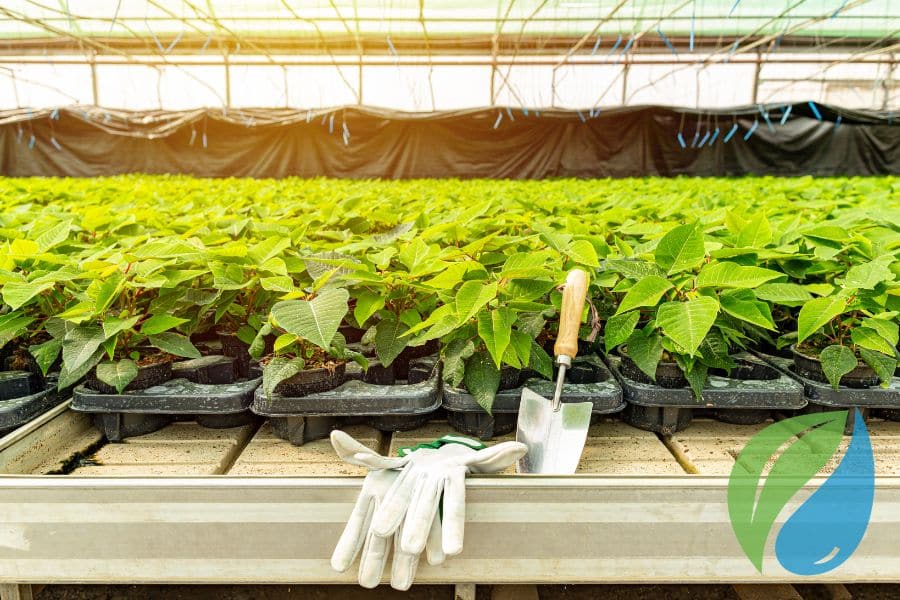
Achieve Poinsettia Perfection with Phyton 27
Learn how to achieve poinsettia perfection with the broad-spectrum protection of Phyton 27.

Learn how to achieve poinsettia perfection with the broad-spectrum protection of Phyton 27.
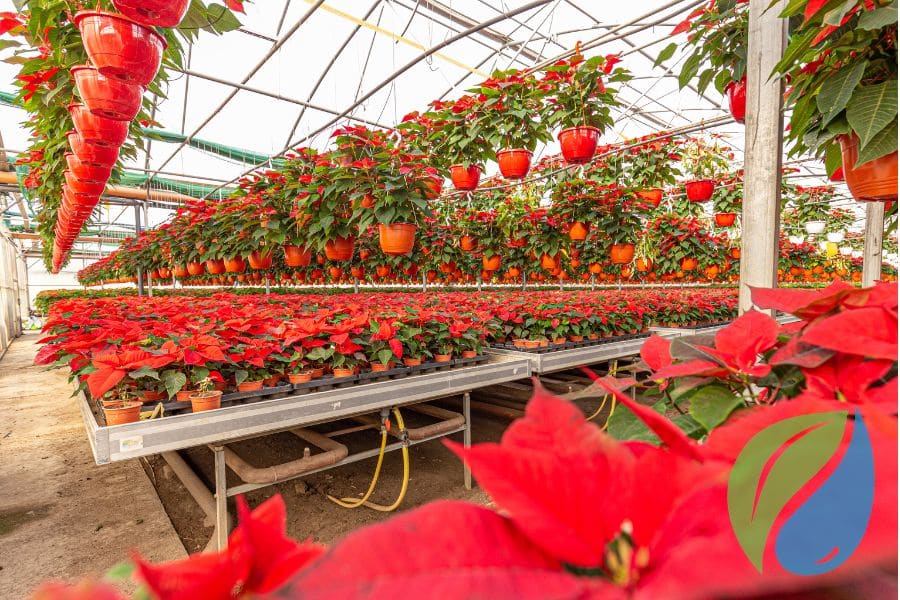
This poinsettia disease control calendar outlines when to apply Phyton 27 and highlights key environmental management practices and symptoms of common poinsettia diseases.
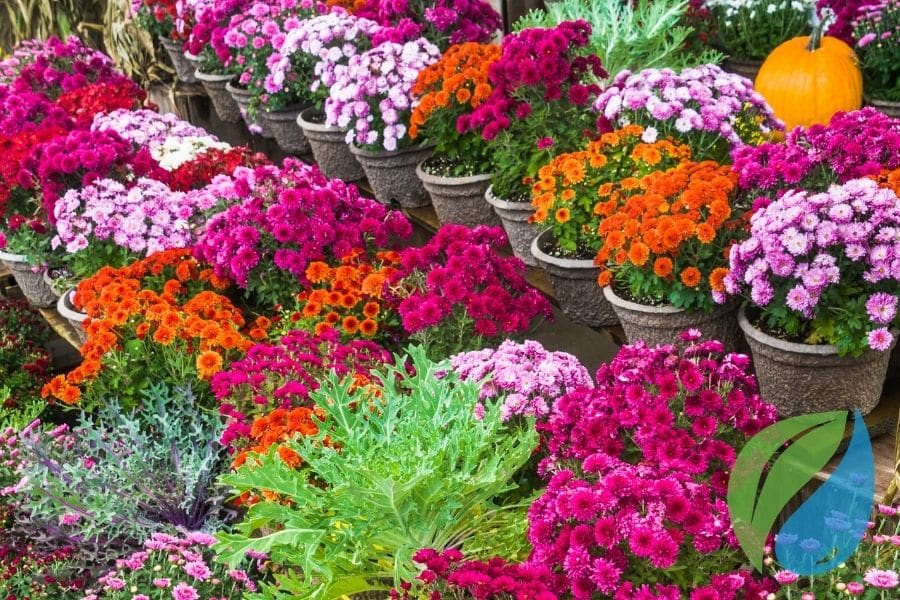
Warm, wet, and humid weather creates ideal conditions for bacterial and fungal leaf spot diseases to develop and spread across greenhouse and nursery crops.

Keep plants happy and healthy through the summer production season with a proactive disease management program that includes broad-spectrum, systemic disease control products.
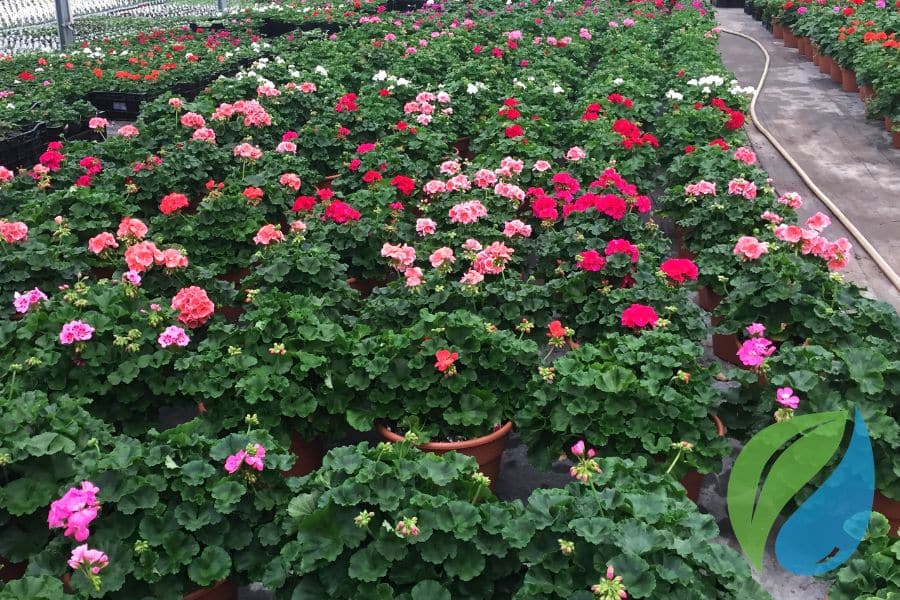
Geraniums are one of the most valuable bedding plants grown in commercial greenhouses, but their dense growth, propagation practices, and humid growing conditions make them highly susceptible to bacterial and fungal diseases.
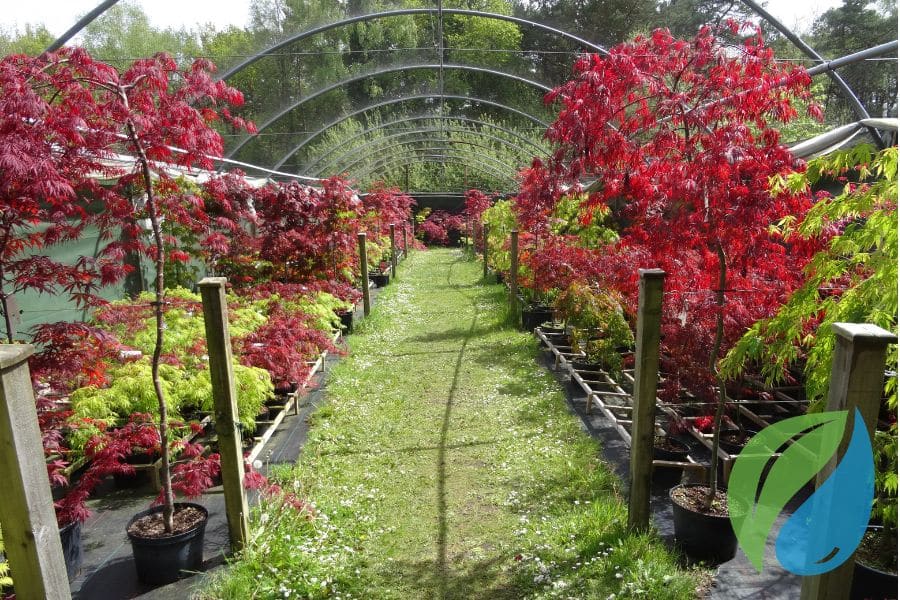
Broad-spectrum systemic protection with Phyton 27 helps growers control common Japanese maple diseases like bacterial leaf spot, Verticillium wilt, and Botrytis blight.
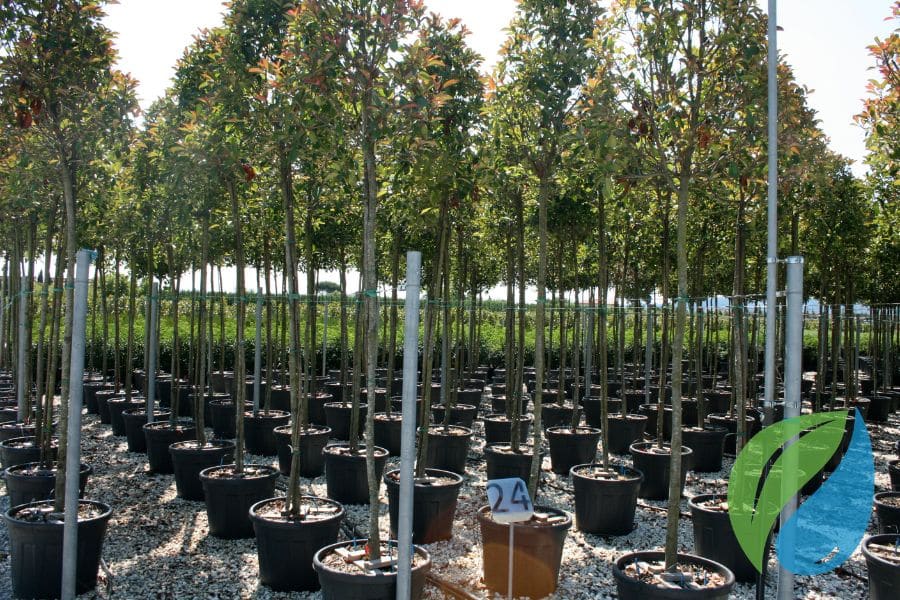
Disease control for ornamental trees and shrubs must provide long-term, proactive disease management across the entire production cycle.
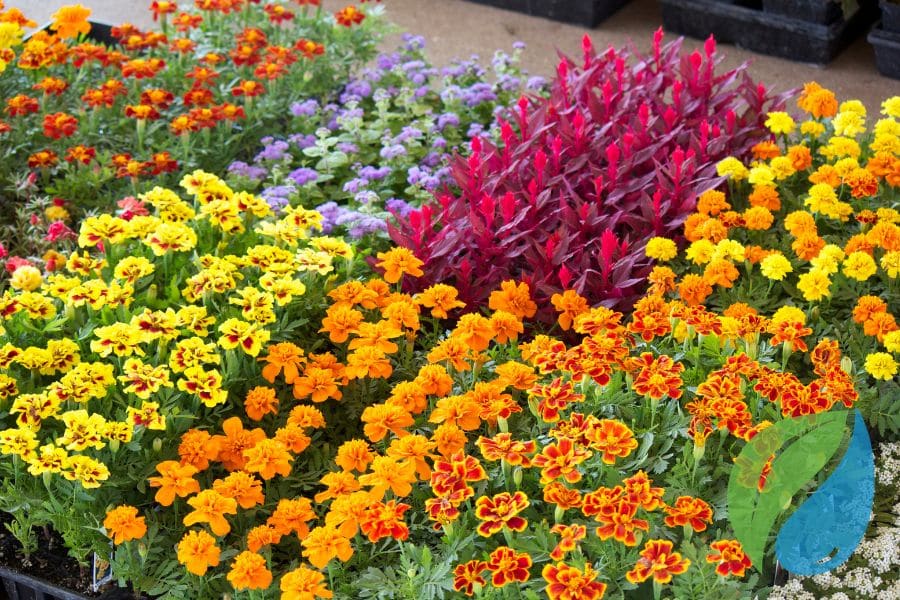
Disease control in bedding plants can be tricky due to high humidity, frequent irrigation, and close plant contact.
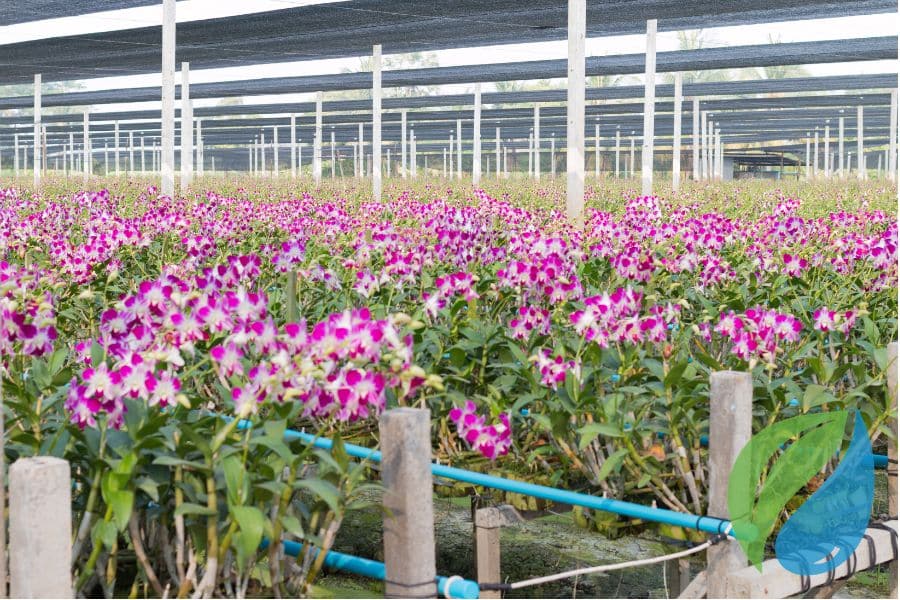
By combining strong sanitation practices with X3 disinfectant and systemic protection from Phyton 27, growers can keep orchids disease-free, healthy, clean, and retail-ready through every stage of production.
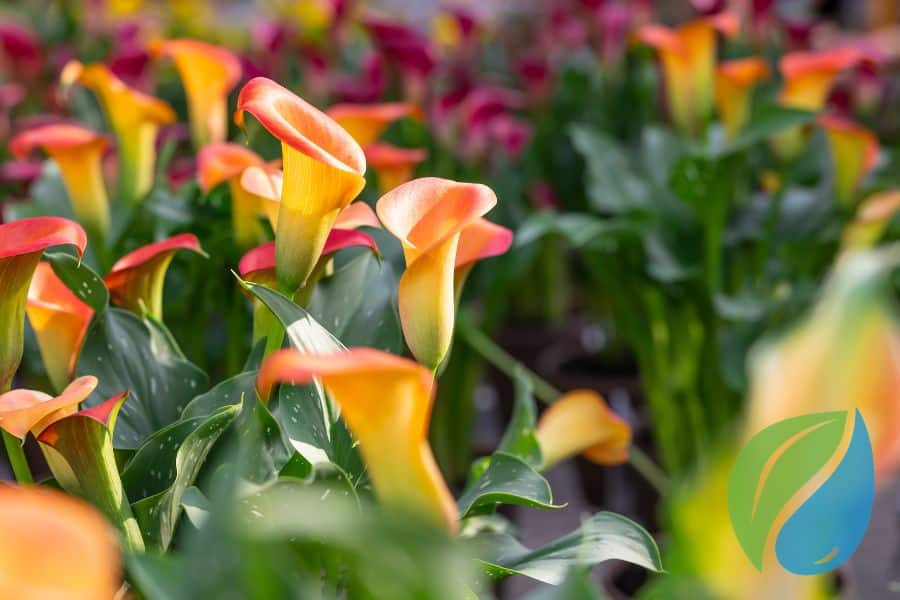
Growing healthy, market-ready plants starts with calla lily disease control from propagation through shipment, especially against destructive pathogens like bacterial soft rot and Botrytis blight.
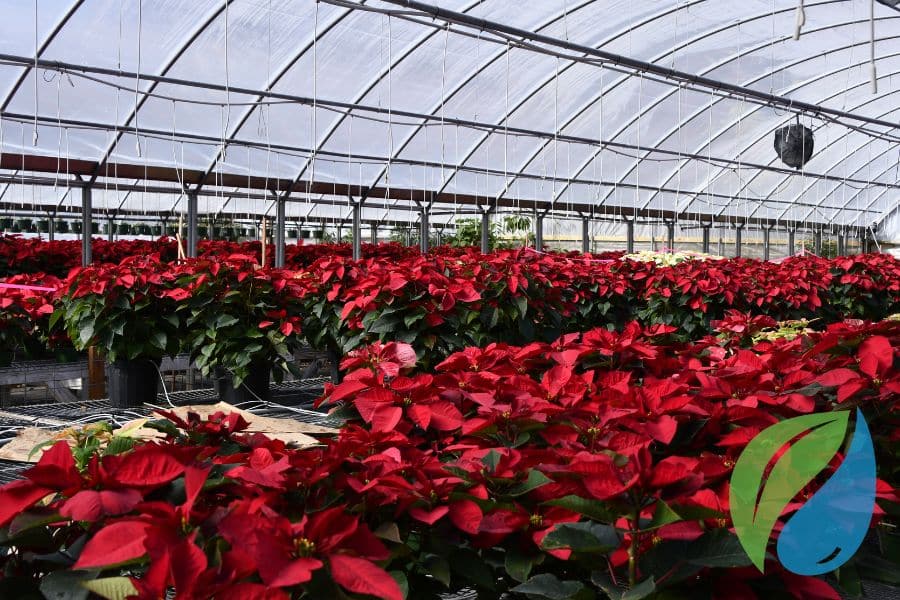
Phyton’s flagship product, Phyton 27, can help you stay on top of poinsettia disease control throughout the growing season, from propagation to shipping.

It’s nearly the holiday season, which means your nursery or greenhouse will soon be inundated with poinsettias. Here’s a closer look at the most common poinsettia diseases and how you can prevent them with Phyton 27.