Cylindrocladium root and cutting rot can spread rapidly through young plants during propagation, where warm, moist conditions, tight spacing, and splashing water create an ideal environment for disease development. By scouting for symptoms throughout propagation, removing infected cuttings, and using broad-spectrum disease control with Phyton 27, growers can help protect cuttings and young plants from hidden infections and disease-related crop losses.
The warm, moist conditions of propagation aren’t just ideal for young plants. They are also the favored conditions for many pathogens that can cause disease and disrupt production of young crops. One of these pathogens is a family of fungi called Cylindrocladium. Let’s take a closer look at this pathogen and how, if unaddressed, it can affect propagation from cuttings to young plants.
How Cylindrocladium Spreads
The Cylindrocladium fungus loves the warm, moist conditions during propagation. If left unchecked, it spreads rapidly through young plants in the tight spacing of cuttings and liners and through splashing water.
Cylindrocladium Root and Cutting Rot Symptoms
Cylindrocladium root and cutting rot symptoms depend on the species of plant, stage of development, and environmental conditions. The most common symptoms are root and stem rots. In propagation, dark brown to black lesions may develop on the leaves, stems, and petioles. While symptoms can vary through the stages and by species, here is a general guideline of what to look for.
| Propagation Stage | Potential Symptoms | How Disease Affects Production |
| Newly Prepared Cuttings | Dark brown to black lesions on leaves, stems, or petioles; discolored wounded tissue | Infections establish at vulnerable wounds created during cutting and handling |
| Sticking and Early Propagation | Expanding dark lesions, stem discoloration, tissue deterioration; early signs of rot | Young cuttings struggle to establish; reduced propagation success |
| Root Development | Poor or reduced rooting, darkened or rotting roots; declining cutting vigor | Damaged roots limit water and nutrient uptake, slowing plant development |
| Young Plants | Wilting, stunting, leaf symptoms, stem rot; continued root decline | Plants become uneven and less vigorous; reduced quality and marketability |
| Advanced Infection | Severe root and stem rot; extensive tissue collapse; plant death | Significant crop losses may occur, especially when conditions favor disease spread |
Because symptoms can vary, growers should monitor plants throughout propagation rather than waiting until severe root or stem rot becomes visible. Early scouting can help you identify affected plants before disease spreads.
Controlling Cylindrocladium Root and Cutting Rot
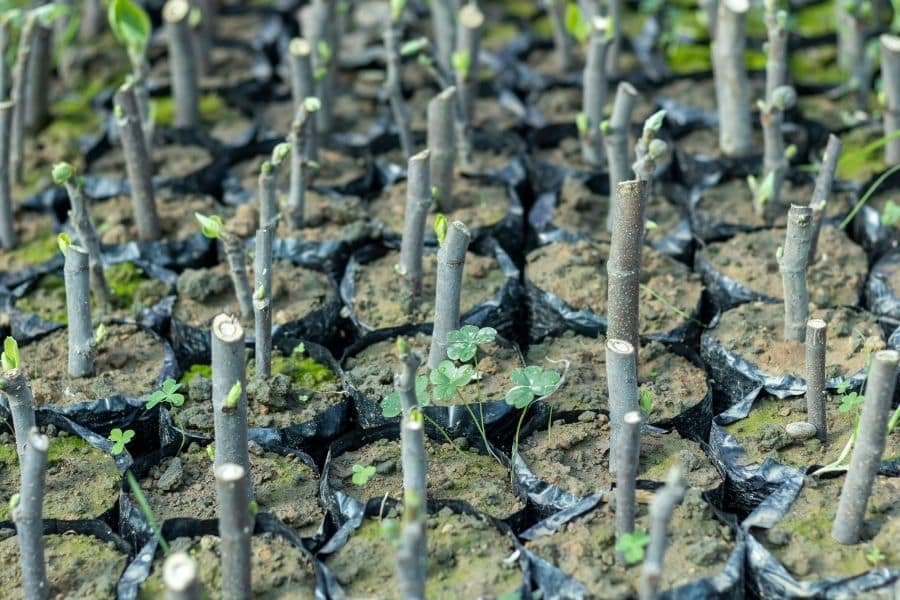
You can control Cylindrocladium root and cutting rot with Phyton 27. Treat plants with Phyton 27 to clean up any hidden infections or hitchhiking spores. Cuttings should be treated at or soon after sticking. Apply Phyton 27 as a dip or sprench on cuttings. Keep a watchful eye on all the propagation beds and remove any visible infected cuttings. Treat the remaining cuttings with Phyton 27 to clean up any hidden spores or infection plants.
Phyton 27 is your best solution for safe, broad-spectrum control of Cylindrocladium root and cutting rot. For more information about Phyton 27 and other greenhouse sanitation solutions, visit phytoncorp.com.
Root and Cutting Rot FAQs
What is Cylindrocladium root and cutting rot?
Cylindrocladium is a family of fungi that can cause disease in young plants during propagation. The pathogen can lead to root and stem rot, as well as dark brown to black lesions on leaves, stems, and petioles.
How does Cylindrocladium spread during propagation?
The fungus thrives in warm, moist propagation conditions and can spread through tightly spaced cuttings and liners, as well as splashing water. Infections may also become established through vulnerable wounds created during cutting and handling.
What symptoms should growers look for?
Symptoms can vary by plant species and stage of development but may include dark lesions, stem discoloration, tissue deterioration, poor rooting, rotting roots, wilting, stunting, and plant collapse. Regular scouting throughout propagation can help growers identify problems before they spread.
How can growers control Cylindrocladium root and cutting rot?
Remove visibly infected cuttings and monitor propagation beds closely for signs of disease. Phyton 27 can be applied to cuttings at or soon after sticking as a dip or sprench to help control Cylindrocladium root and cutting rot and address hidden infections or spores.