Warm, wet, and humid weather creates ideal conditions for bacterial and fungal leaf spot diseases to develop and spread across greenhouse and nursery crops. By combining proper sanitation and water management with broad-spectrum disease control using Phyton 27, growers can help protect ornamentals from bacterial leaf spot, fungal leaf spot, and rose black spot throughout the growing season.
When the weather is warm and wet, Mother Nature has a wide range of heat-loving pathogens to throw at your crops. A broad-spectrum bactericide and fungicide like Phyton 27 combats these pathogens from the inside out, from root to fruit. It’s essential during the warmer, wetter months to keep your plants from developing several diseases, including different strains of leaf spot.
Bacterial Leaf Spot
Bacterial leaf spot most often occurs during hot and humid weather, particularly during rainy periods. Let’s take a closer look at the two primary culprits that cause bacterial leaf spot: Pseudomonas cichorii and Xanthomonas campestris.
Pseudomonas cichorii on Garden Mums
Pseudomonas cichorii causes bacterial leaf spot on chrysanthemum, geraniums, gerbera daisy, hibiscus, and many foliage plants. It can spread from one crop to another.
The first symptoms usually appear on the lower and older leaves as dark brown to black spots on the leaves. The spots are slightly sunken with concentric areas. Once it gains a foothold, bacterial leaf spot spreads between plants and from leaf-to-leaf up the plant in splashing water from sprinkler irrigation, watering with a hose, and rainfall, infecting the upper leaves and flower buds.
Xanthomonas campestris on English Ivy
Xanthomonas campestris can also cause bacterial leaf spot. It is one of the most common culprits of bacterial leaf spot on English ivy.
Initial symptoms appear as green-brown, brown, or black water-soaked (oily) spots on the upper and lower leaves. The centers of the spots are red-brown or brown-black. When conditions are moist, you may observe an orange-red ooze along the edges of the leaf spots, too.
Symptoms often appear on older leaves first. Infection on new leaves may cause speckling and deformity. Xanthomonas is spread by splashing water and during propagation when conditions are wet.
Controlling Bacterial Leaf Spot
To control bacterial leaf spot, start with an ounce of prevention. Use Phyton 27 as a spray during periods of high moisture. For curative applications, use a higher dosage rate and make 2 or 3 applications every 5 to 7 days. Once the disease is under control or the weather turns drier and cooler, you can lengthen your spray interval.
Fungal Leaf Spot on Ornamentals
The Cercospora fungus causes leaf spots on a wide variety of woody and herbaceous plants, including hydrangea and pansy. It thrives in warm temperatures and wet, humid conditions. Frequent late summer rains greatly increase the spread of Cercospora and fungal leaf spot and intensify leaf spotting and defoliation.
Symptoms of Fungal Leaf Spot
Fungal leaf spot symptoms first appear on older leaves or leaves that are close to the media surface. You will notice spreading purple spots with feathered margins. As the disease progresses, the leaf spots develop tan centers with purple borders. Lower leaves often turn yellow and fall off, reducing plant vigor and appearance. Fungal leaf spot is spread through splashing water.
Controlling Fungal Leaf Spot
To control fungal leaf spot, apply Phyton 27 as a foliar spray at the rate of 1.5 to 2.0 fluid ounces per 10 gallons of water. Remove infected leaves and isolate severely infected plants to reduce the chance of disease spreading. Maximize the benefit of Phyton 27 by practicing good cultural control. Water early in the day and avoid overhead watering when possible to keep leaves dry and reduce infection and spread.
Black Spot on Roses
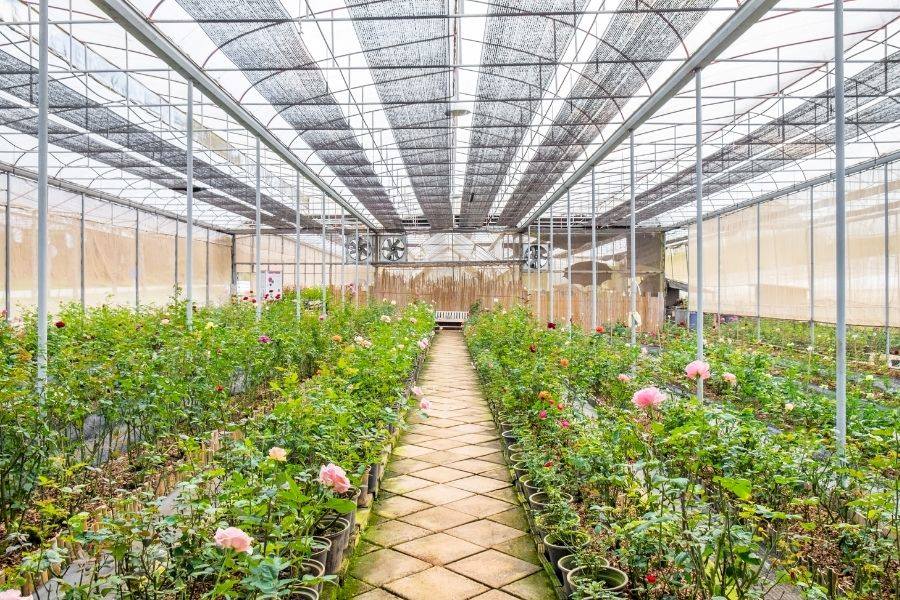
If you grow roses, it’s inevitable that you will encounter black spot. This fungal disease causes a general weakening of the plant resulting in fewer blooms and greater susceptibility to winter injury.
Symptoms of Black Spot
Black spot appears on young, expanding rose leaves and canes as brown to black, circular spots with feathery edges. Infected leaves eventually turn yellow and drop prematurely.
Controlling Black Spot
You can prevent and treat black spot on roses with Phyton 27. Begin preventative applications at budbreak and reapply every 7 to 10 days to protect newly emerging foliage throughout the growing season. For curative applications, increase the dosage rate and shorten the application interval to 5 to 7 days.
Maximize your applications of Phyton 27 with good sanitation and water management. Remove infected leaves on and around the plants to reduce the spread of black spot. Water management is also critical to control black spot, as spores spread through splashing water and require free water on foliage to occur. Avoid overhead water, if possible, and water early in the day to avoid water sitting on leaves.
Phyton 27 is your best solution for safe, broad-spectrum bacterial and fungal leaf spot control in a variety of nursery crops. For more information about Phyton 27 and other greenhouse sanitation solutions, visit phytoncorp.com.
Leaf Spot FAQs
What causes bacterial leaf spot in greenhouse and nursery plants?
Bacterial leaf spot can be caused by pathogens such as Pseudomonas cichorii and Xanthomonas campestris. These bacteria thrive in warm, humid, wet conditions and commonly spread through splashing water, overhead irrigation, rainfall, and wet propagation environments.
How can growers identify fungal leaf spot on ornamental plants?
Fungal leaf spot often begins on older leaves or leaves near the growing media surface. Symptoms can include purple spots with feathered margins, tan centers with purple borders, yellowing leaves, and premature leaf drop.
What are the symptoms of black spot on roses?
Rose black spot appears as brown to black circular spots with feathery edges on young leaves and canes. As the disease progresses, infected leaves may turn yellow and drop prematurely, weakening the plant and reducing its overall vigor and bloom production.
How can growers reduce the spread of leaf spot diseases?
Effective disease management includes removing infected plant material, isolating severely affected plants, improving sanitation, and managing irrigation to reduce leaf wetness and splashing water. Applying a broad-spectrum bactericide and fungicide such as Phyton 27 as part of a preventative and curative disease management program can provide additional protection when used according to label directions.